
Painters have been an integral part of human culture for centuries, transforming blank canvases into masterpieces that evoke emotion, tell stories, and capture moments in time. But what exactly does the work of a painter entail? This guide delves into the responsibilities, skills, and career paths of painters, offering a comprehensive understanding of this artistic profession.
Understanding the Role of a Painter
Painters are visual storytellers who use colors, textures, and techniques to create art that resonates with viewers. Their primary responsibility is to conceptualize and execute artistic ideas, whether for personal expression, commissioned projects, or commercial purposes. A painter’s role often involves sketching initial ideas, selecting the right materials, and applying various techniques to bring their vision to life.
Key skills required for painters include creativity, attention to detail, and technical proficiency with tools and mediums. Painters must also possess a deep understanding of color theory, composition, and perspective to create visually appealing works. Beyond technical skills, successful painters often have strong communication abilities, especially when working on commissioned pieces or collaborating with clients.
Types of Painters and Their Specializations
Painters can specialize in various styles and subjects, each requiring unique skills and approaches. Here are some of the most common types of painters:
Portrait Painters
Portrait painters focus on capturing the likeness and personality of individuals. Their work often involves studying facial features, expressions, and body language to create realistic or stylized representations. These artists may work on commissioned portraits or create pieces for exhibitions and galleries.
Landscape and Abstract Painters
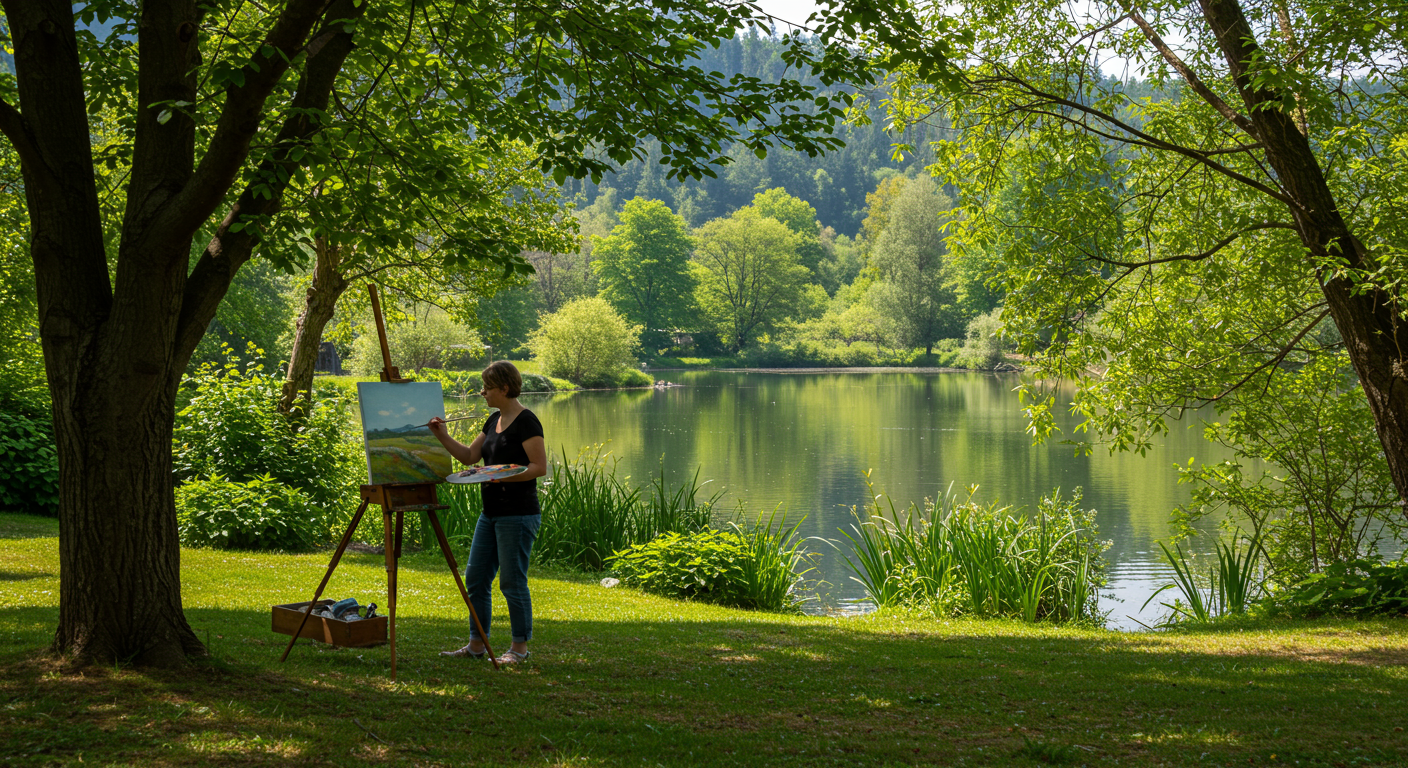
Landscape painters draw inspiration from nature, depicting scenes like mountains, forests, and urban settings. They often work outdoors to capture the essence of their surroundings. On the other hand, abstract painters focus on expressing emotions and ideas through non-representational forms, using bold colors, shapes, and textures to evoke feelings.
Each specialization requires a deep understanding of its respective techniques and a passion for the chosen subject matter. Painters may also explore other styles, such as still life, surrealism, or realism, to expand their artistic repertoire.
Work Environments for Painters
Painters work in diverse environments, depending on their specialization and projects. Many artists prefer the solitude of a studio, where they can focus on their craft without distractions. Studios provide a controlled space for experimenting with materials, techniques, and lighting conditions.
Others thrive in outdoor locations, especially landscape painters who draw inspiration from natural settings. Painting en plein air allows artists to capture the changing light and atmosphere of their surroundings. Additionally, some painters work on commissioned projects, such as murals or decorative art, which may require them to travel to specific locations.
Painters also showcase their work in galleries, art fairs, and online platforms, connecting with audiences and potential buyers. These venues provide opportunities for artists to gain recognition and build their careers. Whether in a studio, outdoors, or a gallery, painters adapt their work environments to suit their artistic goals and preferences.
Career Path and Requirements for Aspiring Painters
Becoming a painter requires a combination of talent, education, and experience. While some artists are self-taught, many pursue formal education to hone their skills and gain a deeper understanding of art history and techniques. Art schools and universities offer programs in fine arts, painting, and related fields, providing aspiring painters with a solid foundation.
Apprenticeships and mentorships are also valuable for gaining practical experience and learning from established artists. These opportunities allow aspiring painters to develop their skills, build a portfolio, and understand the business side of art.
Essential skills for painters include creativity, technical proficiency, and adaptability. Artists must also be resilient and dedicated, as building a successful career in painting often involves overcoming challenges and setbacks. Networking, marketing, and self-promotion are crucial for gaining exposure and attracting clients or buyers.
For those interested in pursuing painting as a profession, exploring resources like how to become a licensed painter contractor can provide valuable insights into the industry.
Painters play a vital role in enriching our lives with art that inspires, educates, and entertains. From mastering techniques to navigating diverse work environments, the journey of a painter is both challenging and rewarding. Whether you’re an aspiring artist or simply curious about the world of painting, understanding the work of a painter offers a glimpse into the dedication and creativity behind every brushstroke.