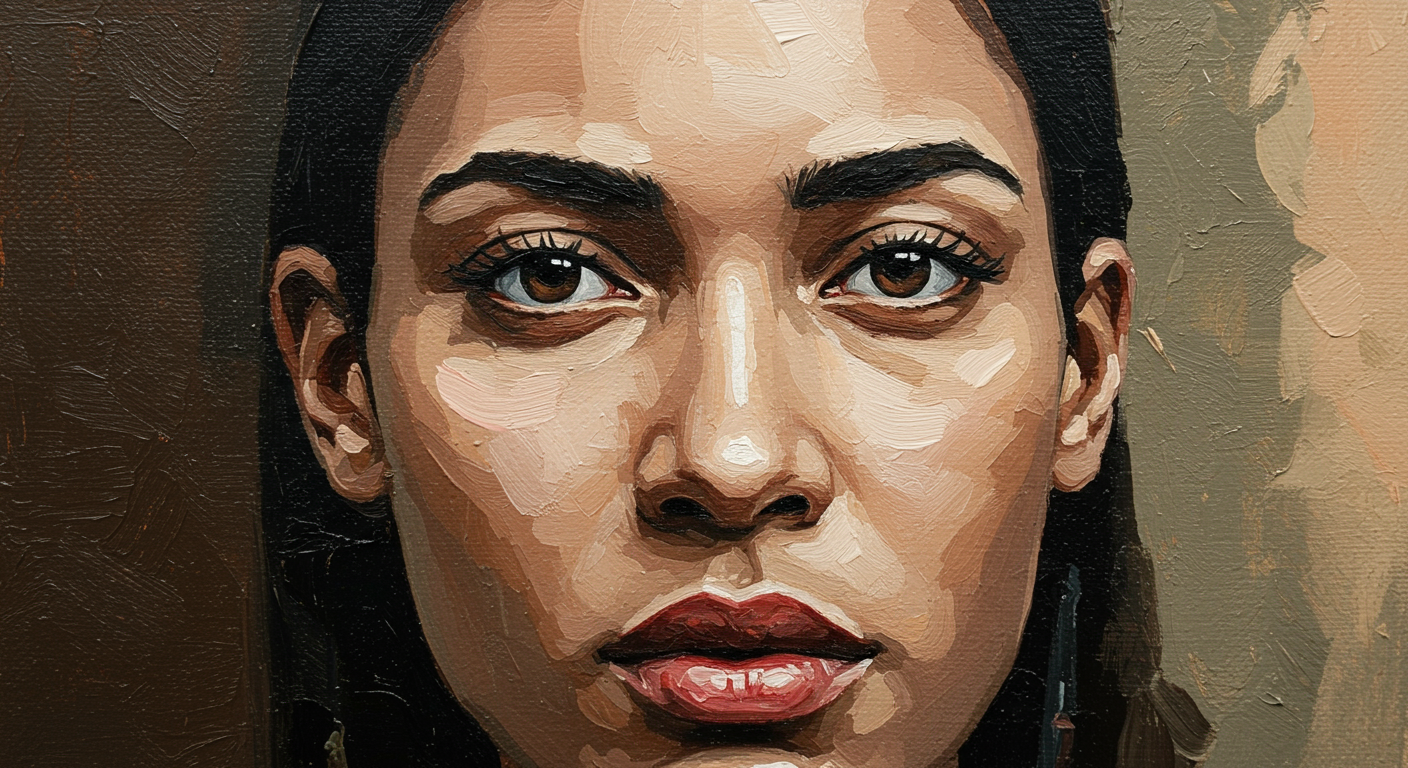
Inside-out painting is a transformative technique that has captured the imagination of artists worldwide. This method, which emphasizes painting from the core of the subject outward, allows for a unique depth and vibrancy in portraits. Whether you’re a seasoned artist or a beginner, mastering this technique can elevate your artwork to new heights. In this guide, we’ll explore the essentials of inside-out painting, from materials to step-by-step instructions, and provide tips to help you create stunning portraits.
Introduction to Inside-Out Painting
What is Inside-Out Painting?
Inside-out painting is a technique where the artist begins with the central elements of the subject, such as the eyes or facial features, and gradually works outward to complete the composition. This approach contrasts with traditional methods that often start with the background or outline. By focusing on the core first, artists can achieve a more lifelike and dynamic representation.
Benefits of Using the Inside-Out Technique
The inside-out technique offers several advantages. It allows for greater control over the focal points of the painting, ensuring that the subject’s most important features are highlighted. Additionally, this method encourages a more intuitive and organic creative process, as the painting evolves naturally from the inside out. For portrait artists, this technique is particularly effective in capturing the essence and emotion of the subject.
Essential Materials for Inside-Out Painting
Recommended Paints and Brushes
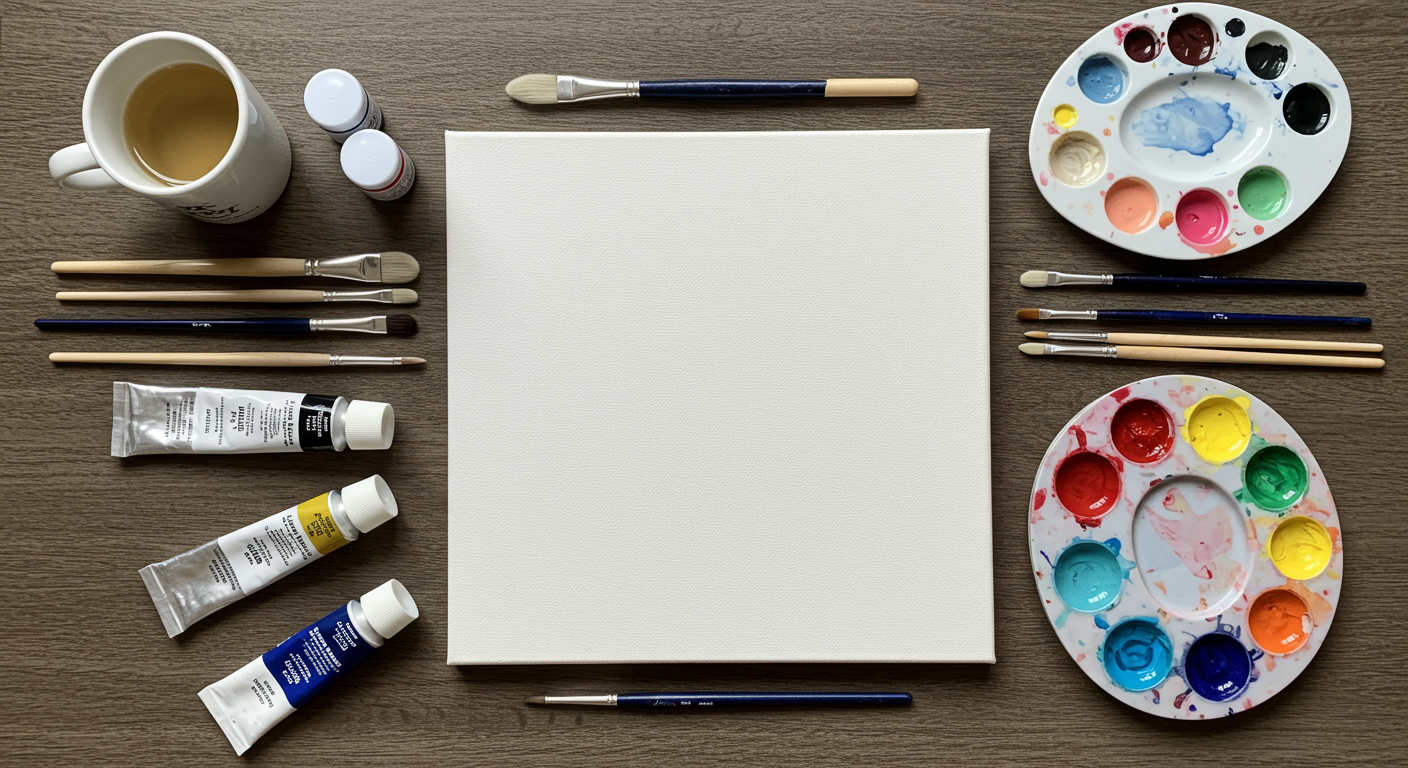
To get started with inside-out painting, you’ll need high-quality materials. Acrylic or oil paints are ideal for this technique due to their versatility and rich pigmentation. Invest in a variety of brushes, including fine detail brushes for intricate features and broader brushes for blending and background work. A palette knife can also be useful for adding texture.
Preparing Your Canvas and Workspace
A well-prepared canvas is crucial for achieving the best results. Begin by priming your canvas with gesso to create a smooth surface. Ensure your workspace is well-lit and organized, with all materials within easy reach. Having a clean and clutter-free environment will help you focus on your art.
Step-by-Step Guide to Inside-Out Painting
Step 1: Preparing the Surface
Start by preparing your canvas. Apply a thin layer of gesso and let it dry completely. This step ensures that the paint adheres well and prevents it from soaking into the canvas. Once the surface is ready, sketch a rough outline of your subject to guide your painting process.
Step 2: Sketching the Portrait
Using a light pencil or charcoal, sketch the key features of your subject. Focus on the eyes, nose, and mouth, as these will be the starting points for your painting. Keep the lines light and minimal to avoid interference with the paint layers.
Step 3: Painting from the Inside-Out
Begin painting the central features of the subject, such as the eyes and facial details. Use fine brushes for precision and gradually build up layers of color and texture. Once the core elements are complete, expand outward to include the surrounding areas, blending seamlessly as you go.
Step 4: Adding Texture and Details
Add depth and texture to your painting by layering colors and using techniques like dry brushing or glazing. Pay attention to the finer details, such as hair strands or skin texture, to bring your portrait to life. Finally, refine the background to complement the subject without overpowering it.
Tips for Success with Inside-Out Painting
Common Mistakes to Avoid
One common mistake is overworking the central features, which can result in a loss of detail and vibrancy. To avoid this, take breaks and step back to assess your progress. Another pitfall is neglecting the background, which can leave the painting feeling incomplete. Balance is key to achieving a cohesive composition.
How to Develop Your Unique Style
Experimentation is essential for developing your unique style. Try different color palettes, brush techniques, and textures to discover what works best for you. Studying the works of renowned portrait artists can also provide inspiration and insights into mastering the inside-out technique.
For additional insights into painting techniques, you can explore this comprehensive guide on interior house painting.
Mastering the inside-out painting technique requires practice, patience, and a willingness to experiment. By focusing on the core elements of your subject and working outward, you can create portraits that are both dynamic and emotionally resonant. So gather your materials, set up your workspace, and let your creativity flow. With dedication and perseverance, you’ll soon be creating stunning works of art that captivate and inspire.
Leave a Reply