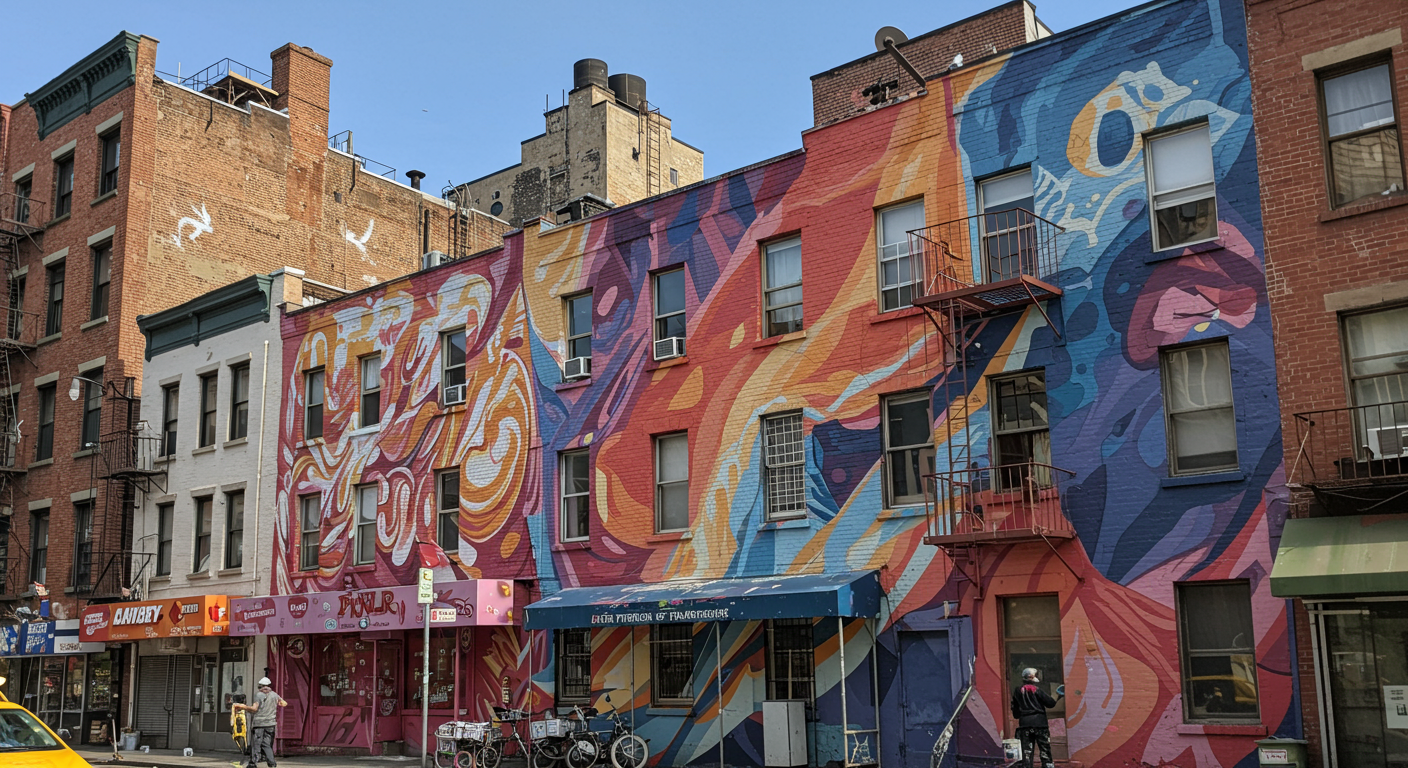
Becoming a licensed painter contractor in New York, NY, is a rewarding career path that combines creativity, technical skills, and business acumen. Whether you’re an experienced painter or just starting, obtaining the proper licensing and understanding local regulations is crucial for success. This comprehensive guide will walk you through the steps to becoming a licensed painter contractor in New York, ensuring you’re well-prepared to launch your career.
Understanding the Requirements to Become a Painter Contractor in New York
Before diving into the application process, it’s essential to understand the foundational requirements for becoming a painter contractor in New York.
Licensing Requirements for Painters
In New York, obtaining a contractor’s license is mandatory for those who wish to operate legally. The specific requirements may vary depending on the borough or county, but generally, you must:
- Be at least 18 years old.
- Have a high school diploma or equivalent.
- Possess relevant work experience in painting or contracting.
- Pass a licensing exam that tests your knowledge of local building codes, safety regulations, and industry standards.
Additionally, you may need to undergo a background check and provide proof of residency in New York. Meeting these requirements ensures you are qualified to handle painting projects professionally and safely.
Business Registration and Insurance Obligations
Operating as a painter contractor also requires registering your business with the state. This involves choosing a business structure (e.g., sole proprietorship, LLC, or corporation) and obtaining an Employer Identification Number (EIN) from the IRS. Furthermore, securing liability insurance is critical to protect your business and clients from potential risks. Workers’ compensation insurance is also necessary if you plan to hire employees.
The Application Process for Painter Contractors
Once you’ve met the basic requirements, the next step is to navigate the application process for obtaining your painter contractor license.
Step-by-Step Guide to Applying for a License
- Research Local Requirements: Check the specific licensing requirements for your area, as they can differ across New York City boroughs.
- Complete the Application Form: Obtain the contractor license application form from your local Department of Consumer Affairs (DCA) or equivalent authority.
- Prepare for the Exam: Study for the licensing exam, focusing on topics like safety regulations, lead paint laws, and business practices.
- Submit the Application: Include all required documents, such as proof of identity, work experience, and insurance coverage.
- Pay the Fees: Application fees typically range from $100 to $500, depending on the license type and location.
- Schedule and Pass the Exam: Successfully passing the exam is a key step in obtaining your license.
Following these steps ensures a smooth application process, allowing you to focus on building your painting business.
Necessary Documentation and Fees
When applying for your license, you’ll need to provide several documents, including:
- A completed application form.
- Proof of work experience or apprenticeship.
- Copies of your business registration and insurance policies.
- A recent passport-sized photo and government-issued ID.
Additionally, be prepared to pay any associated fees, which may include application, exam, and renewal costs. Keeping these documents organized will streamline the process and prevent delays.
Navigating Local Regulations and Permits
In addition to licensing, painter contractors in New York must adhere to local regulations and obtain permits for specific projects.
Additional Permits for Specific Projects
Certain painting projects, such as those involving historic buildings or large-scale renovations, may require additional permits. These permits ensure that the work complies with local zoning laws and building codes. For example, exterior painting in some neighborhoods might need approval from the local historic preservation office. Always check with your local government to determine if a permit is necessary before starting a project.
Understanding Lead Paint Regulations
Lead paint regulations are a critical aspect of the painting industry, particularly in older buildings. The Environmental Protection Agency (EPA) requires contractors to be certified in lead-safe practices to minimize health risks. This certification involves completing a training program and adhering to strict guidelines when working with lead-based paint. Staying informed about these regulations protects both your clients and your business from potential liabilities.
Job Opportunities and Career Development for Painter Contractors
Once you’ve obtained your license, the next step is to explore job opportunities and focus on career growth.
Current Job Market Overview in New York, NY
The demand for skilled painter contractors in New York, NY, is robust, driven by the city’s thriving real estate and construction industries. From residential projects to commercial renovations, there’s no shortage of opportunities for licensed professionals. Networking with local contractors and joining industry associations can help you secure high-value projects and build a strong client base.
Resources for Career Advancement and Networking
To advance your career, consider leveraging resources such as:
- Industry associations like the Painting Contractors Association (PCA) for training and certification programs.
- Online platforms like LinkedIn and local job boards to connect with potential clients and employers.
- Continuing education courses to stay updated on the latest techniques and regulations.
By investing in your professional development, you can establish yourself as a trusted expert in the field and expand your business.
Becoming a licensed painter contractor in New York, NY, is a journey that requires dedication, preparation, and a commitment to excellence. By understanding the requirements, navigating the application process, and staying informed about local regulations, you can build a successful career in this dynamic industry. Whether you’re painting stunning murals or transforming residential spaces, your skills and expertise will leave a lasting impact on the city’s vibrant landscape.

Leave a Reply