Category: Trim, Doors & Shutters

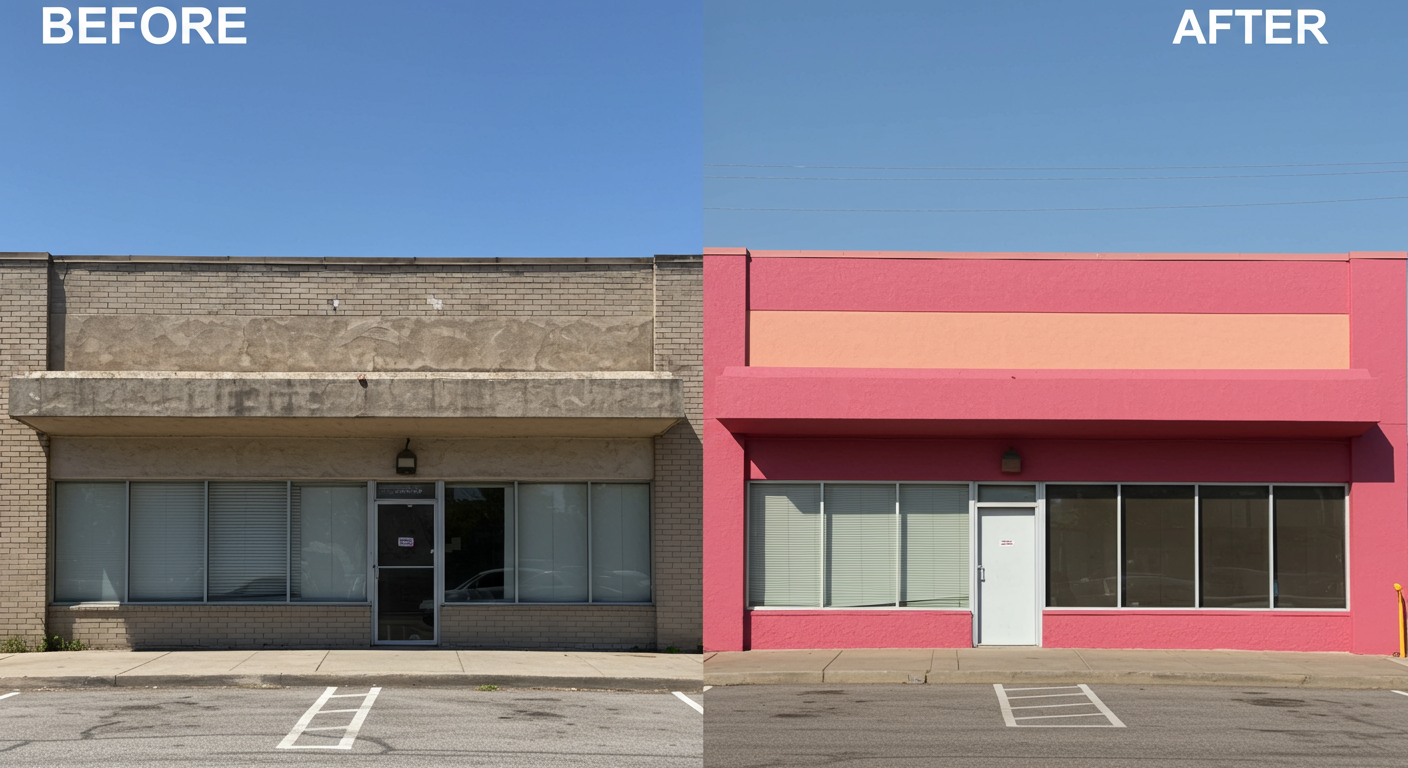
Accent painting tips to make features pop.

  • Explore Top Interior Painting Jobs in New York, NY: Your Guide to Opportunities and Salaries

    Explore Top Interior Painting Jobs in New York, NY: Your Guide to Opportunities and Salaries

    New York City is a hub of opportunities, and the interior painting industry is no exception. Whether you’re an experienced painter or just starting your career, NYC offers a range of interior painting jobs to suit various skill levels and interests. From residential projects to large-scale commercial endeavors, the demand for skilled painters continues to grow. This guide will help you navigate the world of interior painting jobs in New York, NY, covering everything from job types to salary expectations and tips for landing your dream role.

    Overview of Interior Painting Jobs in New York, NY

    The bustling city of New York is synonymous with constant growth and renovation, creating a high demand for interior painters. Whether it’s a chic Manhattan apartment or a trendy Brooklyn café, interior painting plays a crucial role in transforming spaces. Painters in NYC work on diverse projects, including residential homes, corporate offices, and artistic murals, making this career both dynamic and rewarding.

    The city’s vibrant real estate market further fuels the need for skilled painters. Renovation projects, new constructions, and property upgrades ensure a steady stream of painting opportunities. Additionally, the city’s artistic culture opens doors for painters to work on creative projects like murals and custom designs.

    Types of Interior Painting Positions Available

    Full-Time vs. Part-Time Opportunities

    Interior painting jobs in NYC cater to various schedules, offering both full-time and part-time roles. Full-time positions are ideal for those seeking stability and consistent income, often provided by established painting companies. Part-time roles, on the other hand, are perfect for individuals looking for flexibility or supplemental income.

    Specialized Roles: Mural Painters and Subcontractors

    Beyond traditional painting jobs, NYC offers specialized roles for those with unique skills. Mural painters, for instance, work on large-scale artistic projects that add character to urban spaces. Subcontractor positions are also common, allowing painters to collaborate with construction companies or design firms on specific projects.

    For those interested in exploring different painting services, check out Top Home Painting Companies in New York, NY for insights into quality services and opportunities.

    Salary Expectations for Interior Painters in NYC

    Average Hourly Wages and Salary Ranges

    The salary for interior painters in New York varies based on experience, location, and the type of employer. On average, painters earn between $20 and $35 per hour. Entry-level positions may start at the lower end of the spectrum, while experienced painters can command higher rates.

    Factors Influencing Pay: Experience and Company Type

    Several factors influence a painter’s earnings. Experience plays a significant role, with seasoned professionals earning more due to their expertise and efficiency. The type of company also matters; working for a high-end design firm or a reputable painting company often results in better pay and benefits.

    For a deeper understanding of painter rates, read Understanding House Painter Hourly Rates in New York, NY.

    How to Land Your Dream Interior Painting Job

    Tips for Job Seekers: Resume and Interview Preparation

    Landing a painting job in NYC requires a polished resume that highlights your skills, experience, and certifications. Be sure to include any specialized training, such as knowledge of eco-friendly paints or advanced techniques. During interviews, emphasize your attention to detail, reliability, and ability to meet deadlines.

    Resources for Finding Interior Painting Jobs in New York

    Job seekers can explore various resources to find painting opportunities. Online job boards like Indeed and ZipRecruiter list numerous openings, while local classifieds and community boards are also worth checking. Networking with industry professionals and joining painter associations can further expand your job prospects.

    For additional tips on transforming your career, visit Transform Your Space with Expert Painting and Remodeling Services.

    A bustling job fair scene with various booths showcasing painting job opportunities. Attendees are interacting with recruiters, with banners displaying 'Interior Painting Jobs' in the background.

    Conclusion

    Interior painting jobs in New York, NY, offer a wealth of opportunities for individuals passionate about transforming spaces. Whether you’re drawn to residential projects, commercial endeavors, or artistic murals, the city’s dynamic market has something for everyone. By understanding the types of positions available, salary expectations, and effective job-seeking strategies, you can take the first step toward a fulfilling career in interior painting. Start exploring today and make your mark in the vibrant world of NYC painting jobs!
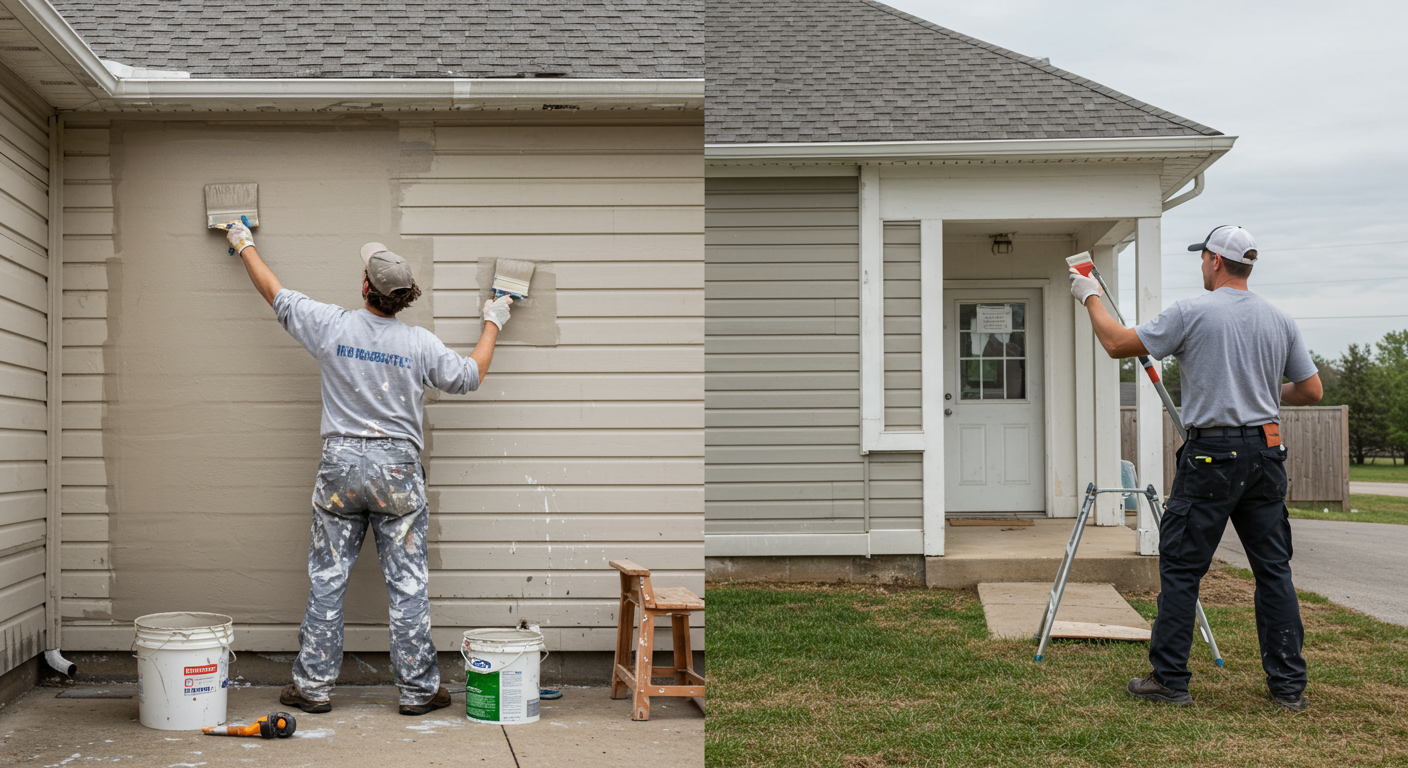
  • The Ultimate Guide to the Best Season for Painting Your House Exterior: Tips for a Flawless Finish

    The Ultimate Guide to the Best Season for Painting Your House Exterior: Tips for a Flawless Finish

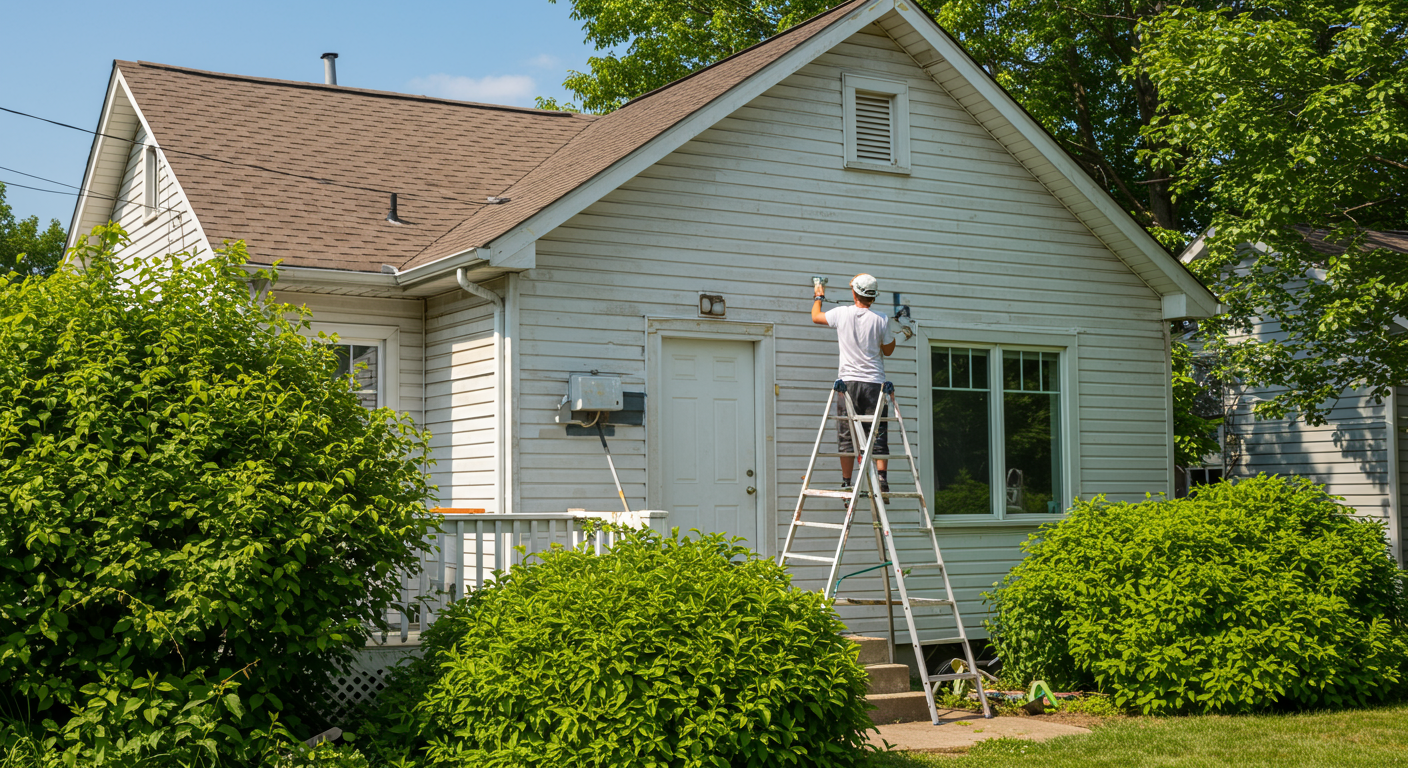
    Painting the exterior of your home is a significant investment that not only enhances curb appeal but also protects your property from the elements. However, choosing the right season to undertake this task is crucial for achieving a flawless finish. In this guide, we’ll explore the best seasons for exterior painting, the ideal weather conditions, common pitfalls to avoid, and essential preparation tips to ensure your project is a success.

    Understanding the Best Seasons for Exterior Painting

    Why Summer is Ideal for Painting

    Summer is often considered the best season for exterior painting due to its warm and stable weather conditions. The consistent temperatures allow paint to dry evenly, reducing the risk of peeling or cracking. Additionally, longer daylight hours provide ample time to complete your project without rushing. However, it’s essential to avoid painting during extreme heat, as this can cause the paint to dry too quickly, leading to an uneven finish.

    The Benefits of Early Fall Painting

    Early fall offers a sweet spot for exterior painting, combining mild temperatures with lower humidity levels. The cooler weather ensures that the paint adheres properly and dries at an optimal rate. Moreover, early fall often lacks the unpredictable rain showers of spring, making it a reliable choice for outdoor projects. This season also provides the opportunity to prepare your home for the harsher winter months, ensuring your exterior remains protected.

    Key Weather Conditions for Successful Exterior Painting

    Temperature Guidelines for Optimal Results

    Temperature plays a critical role in the success of an exterior painting project. Most paints perform best within a temperature range of 50°F to 85°F. Painting in temperatures below this range can cause the paint to thicken, while higher temperatures may lead to premature drying. Always check the manufacturer’s recommendations for the specific paint you’re using to ensure optimal results.

    Humidity and Its Impact on Paint Drying

    Humidity levels can significantly affect the drying process of paint. High humidity slows down drying times, increasing the risk of smudges and uneven application. On the other hand, extremely low humidity can cause the paint to dry too quickly, leading to cracks. Aim for a humidity level between 40% and 70% for the best results. Monitoring the weather forecast and planning your project accordingly can help you avoid these issues.

    Common Pitfalls to Avoid When Painting Exteriors

    Weather Conditions to Steer Clear Of

    Certain weather conditions can ruin your painting project if not avoided. Rain is the most obvious culprit, as it can wash away freshly applied paint. Windy conditions are equally problematic, as they can blow debris onto wet paint, ruining the finish. Additionally, painting during extreme heat or cold can compromise the durability of the paint. Always plan your project around a reliable weather forecast to minimize risks.

    Timing Your Painting Job: Day vs. Night

    The time of day you choose to paint can also impact the outcome. Painting in the early morning or late afternoon is ideal, as these times offer moderate temperatures and reduced direct sunlight. Avoid painting at night, as the cooler temperatures and dew can interfere with the drying process. Proper timing ensures a smooth and long-lasting finish.

    Preparing for Your Exterior Painting Project

    DIY vs. Hiring Professionals: What You Need to Know

    Deciding between a DIY approach and hiring professionals depends on your budget, skill level, and the complexity of the project. While DIY painting can save money, it requires significant time and effort, as well as a thorough understanding of the process. Hiring professionals, on the other hand, ensures a high-quality finish and saves you the hassle of preparation and cleanup. If you’re located in New York, consider exploring top exterior home painters near you for reliable services.

    DIY vs. Professional Painting

    Essential Preparation Steps for a Successful Paint Job

    Preparation is key to a successful exterior painting project. Start by cleaning the surface to remove dirt, mildew, and old paint. Use a pressure washer for thorough cleaning, and allow the surface to dry completely. Next, repair any cracks or holes and sand rough areas to create a smooth base. Finally, apply a high-quality primer to ensure better adhesion and durability. Proper preparation not only enhances the finish but also extends the lifespan of the paint.

    Painting your house exterior is a rewarding project that requires careful planning and execution. By choosing the right season, monitoring weather conditions, and preparing adequately, you can achieve a flawless finish that enhances your home’s beauty and value. Whether you opt for a DIY approach or hire professionals, following these tips will ensure your project is a success. For more insights and expert advice, check out our ultimate guide to choosing the best time to paint your house exterior.

    Additional Resources

    References

  • Understanding Commercial Exterior Painting Costs in New York, NY: A Comprehensive Guide

    Understanding Commercial Exterior Painting Costs in New York, NY: A Comprehensive Guide

    When it comes to maintaining the aesthetic and structural integrity of a commercial building, exterior painting plays a pivotal role. However, understanding the costs associated with commercial exterior painting in New York, NY, can be challenging due to the variety of factors involved. This comprehensive guide will break down the key elements influencing costs, provide average estimates, share tips for reducing expenses, and highlight the importance of hiring professional painting services.

    Factors Influencing Commercial Exterior Painting Costs

    Several factors contribute to the overall cost of commercial exterior painting. Understanding these elements can help you plan your budget effectively.

    Size and Complexity of the Project

    The size of the building is a primary determinant of painting costs. Larger buildings require more paint, labor, and time, which increases the overall expense. Additionally, the complexity of the structure, such as intricate architectural details or hard-to-reach areas, can further drive up costs.

    Type of Materials Used

    The choice of paint and other materials significantly impacts the cost. High-quality paints designed to withstand harsh weather conditions may cost more upfront but offer better durability and long-term savings. Other materials like primers, sealants, and protective coatings also add to the total expense.

    Labor Costs and Preparation Work

    Labor costs in New York, NY, are typically higher due to the city’s cost of living. Moreover, the amount of preparation work required, such as cleaning, repairing cracks, or removing old paint, can influence labor expenses. Hiring experienced painters ensures quality work but may come at a premium.

    Average Cost Estimates for Commercial Exterior Painting

    Understanding the average costs can help businesses budget effectively for their painting projects.

    Cost per Square Foot

    In New York, NY, the cost of commercial exterior painting generally ranges from $2 to $6 per square foot. This variation depends on factors like the type of paint used, the building’s condition, and the complexity of the project.

    Total Project Costs for Various Building Sizes

    For a small commercial building of around 5,000 square feet, the total cost may range from $10,000 to $30,000. Medium-sized buildings of 10,000 square feet could cost between $20,000 and $60,000. Larger buildings exceeding 20,000 square feet may require a budget of $40,000 to $120,000 or more.

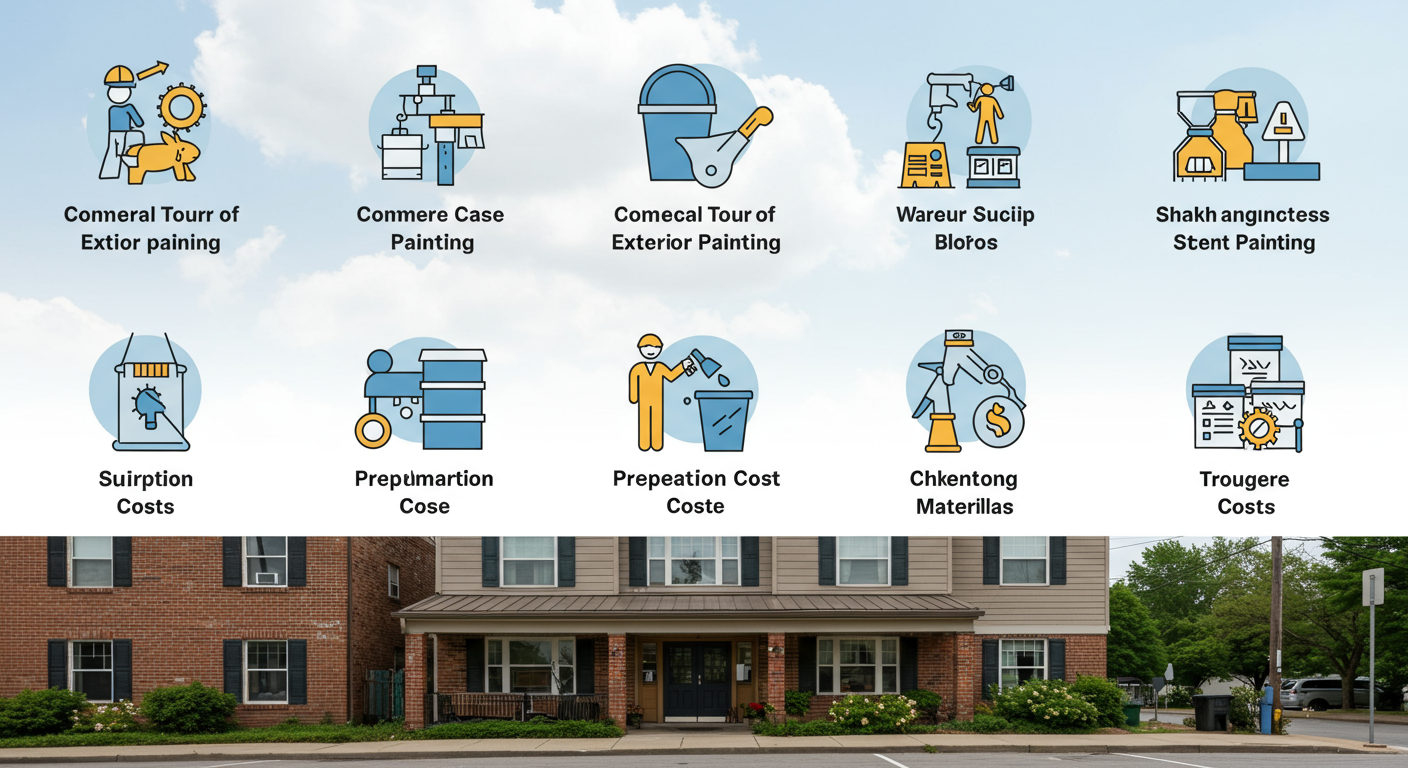
    Cost Breakdown Infographic

    Tips for Reducing Commercial Painting Costs

    While commercial exterior painting can be a significant investment, there are ways to reduce costs without compromising on quality.

    Scheduling During Off-Peak Seasons

    Painting contractors often have lower demand during certain times of the year, such as late fall or early winter. Scheduling your project during these off-peak seasons can help you negotiate better rates and save on costs.

    Obtaining Multiple Quotes from Contractors

    Requesting quotes from multiple painting contractors allows you to compare prices and services. Look for contractors who offer transparent pricing and detailed estimates to ensure you’re getting the best value for your money. For more tips on finding reliable contractors, check out Top Residential & Commercial Painting Services in New York, NY.

    Importance of Professional Commercial Painting Services

    Hiring professional painting services is crucial for achieving high-quality results and ensuring long-term benefits.

    Enhancing Property Value and Appearance

    A well-painted exterior enhances the curb appeal of your commercial property, making it more attractive to customers and clients. It also increases the property’s market value, which can be beneficial if you plan to sell or lease the building.

    Avoiding Future Costs with Quality Workmanship

    Professional painters have the expertise to deliver durable and long-lasting results. By investing in quality workmanship, you can avoid frequent repainting and costly repairs in the future. Learn more about the benefits of professional services in Top-Rated Painting Services in New York, NY.

    In conclusion, understanding the factors influencing commercial exterior painting costs, average cost estimates, and tips for reducing expenses can help businesses make informed decisions. By hiring professional painters, you can ensure a high-quality finish that enhances your property’s value and appearance. Whether you’re planning a small or large-scale project, this guide provides the insights you need to achieve the best results.

  • Master the Inside-Out Painting Technique: A Step-by-Step Guide for Stunning Portraits

    Master the Inside-Out Painting Technique: A Step-by-Step Guide for Stunning Portraits

    Inside-out painting is a transformative technique that has captured the imagination of artists worldwide. This method, which emphasizes painting from the core of the subject outward, allows for a unique depth and vibrancy in portraits. Whether you’re a seasoned artist or a beginner, mastering this technique can elevate your artwork to new heights. In this guide, we’ll explore the essentials of inside-out painting, from materials to step-by-step instructions, and provide tips to help you create stunning portraits.

    Introduction to Inside-Out Painting

    What is Inside-Out Painting?

    Inside-out painting is a technique where the artist begins with the central elements of the subject, such as the eyes or facial features, and gradually works outward to complete the composition. This approach contrasts with traditional methods that often start with the background or outline. By focusing on the core first, artists can achieve a more lifelike and dynamic representation.

    Benefits of Using the Inside-Out Technique

    The inside-out technique offers several advantages. It allows for greater control over the focal points of the painting, ensuring that the subject’s most important features are highlighted. Additionally, this method encourages a more intuitive and organic creative process, as the painting evolves naturally from the inside out. For portrait artists, this technique is particularly effective in capturing the essence and emotion of the subject.

    Essential Materials for Inside-Out Painting

    Recommended Paints and Brushes

    To get started with inside-out painting, you’ll need high-quality materials. Acrylic or oil paints are ideal for this technique due to their versatility and rich pigmentation. Invest in a variety of brushes, including fine detail brushes for intricate features and broader brushes for blending and background work. A palette knife can also be useful for adding texture.

    Preparing Your Canvas and Workspace

    A well-prepared canvas is crucial for achieving the best results. Begin by priming your canvas with gesso to create a smooth surface. Ensure your workspace is well-lit and organized, with all materials within easy reach. Having a clean and clutter-free environment will help you focus on your art.

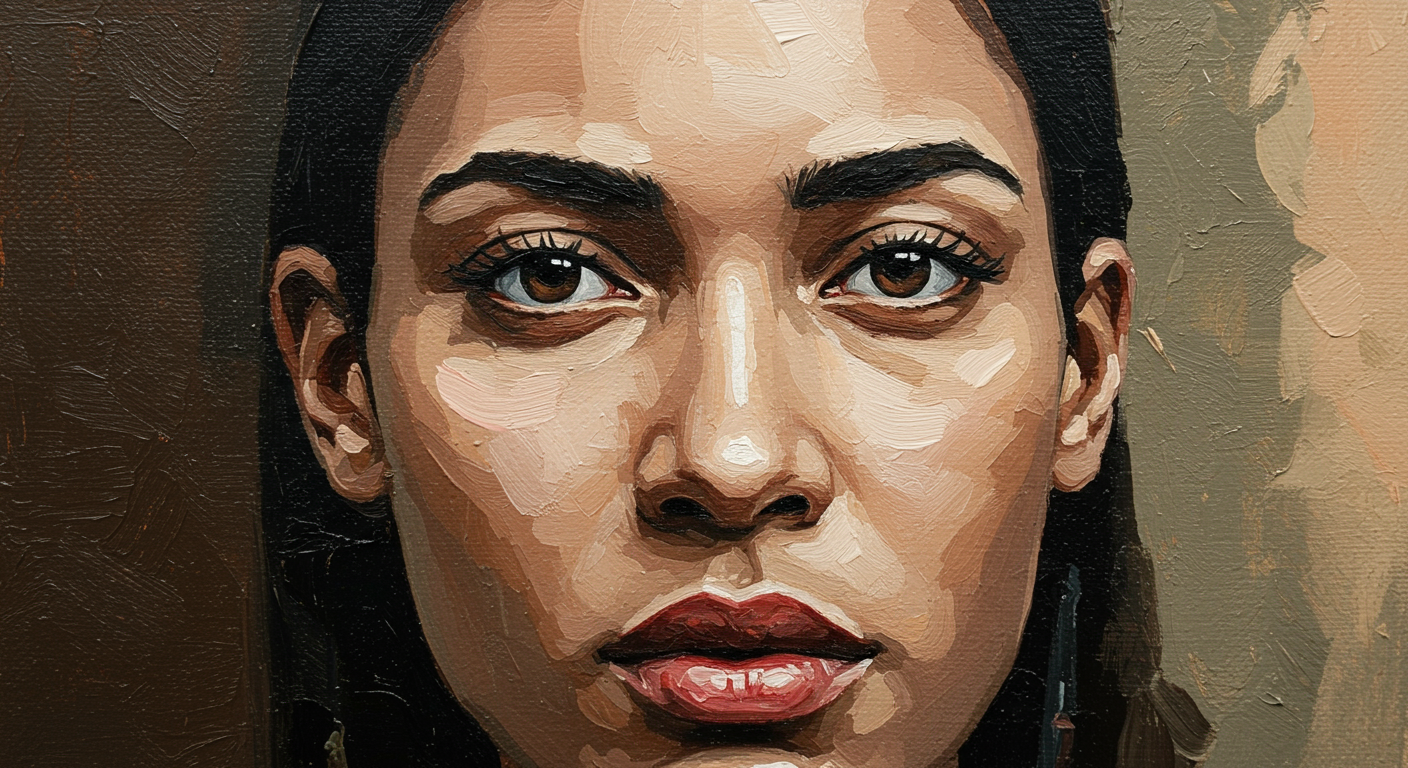
    Inside-Out Painting Materials

    Step-by-Step Guide to Inside-Out Painting

    Step 1: Preparing the Surface

    Start by preparing your canvas. Apply a thin layer of gesso and let it dry completely. This step ensures that the paint adheres well and prevents it from soaking into the canvas. Once the surface is ready, sketch a rough outline of your subject to guide your painting process.

    Step 2: Sketching the Portrait

    Using a light pencil or charcoal, sketch the key features of your subject. Focus on the eyes, nose, and mouth, as these will be the starting points for your painting. Keep the lines light and minimal to avoid interference with the paint layers.

    Step 3: Painting from the Inside-Out

    Begin painting the central features of the subject, such as the eyes and facial details. Use fine brushes for precision and gradually build up layers of color and texture. Once the core elements are complete, expand outward to include the surrounding areas, blending seamlessly as you go.

    Step 4: Adding Texture and Details

    Add depth and texture to your painting by layering colors and using techniques like dry brushing or glazing. Pay attention to the finer details, such as hair strands or skin texture, to bring your portrait to life. Finally, refine the background to complement the subject without overpowering it.

    Tips for Success with Inside-Out Painting

    Common Mistakes to Avoid

    One common mistake is overworking the central features, which can result in a loss of detail and vibrancy. To avoid this, take breaks and step back to assess your progress. Another pitfall is neglecting the background, which can leave the painting feeling incomplete. Balance is key to achieving a cohesive composition.

    How to Develop Your Unique Style

    Experimentation is essential for developing your unique style. Try different color palettes, brush techniques, and textures to discover what works best for you. Studying the works of renowned portrait artists can also provide inspiration and insights into mastering the inside-out technique.

    For additional insights into painting techniques, you can explore this comprehensive guide on interior house painting.

    Mastering the inside-out painting technique requires practice, patience, and a willingness to experiment. By focusing on the core elements of your subject and working outward, you can create portraits that are both dynamic and emotionally resonant. So gather your materials, set up your workspace, and let your creativity flow. With dedication and perseverance, you’ll soon be creating stunning works of art that captivate and inspire.