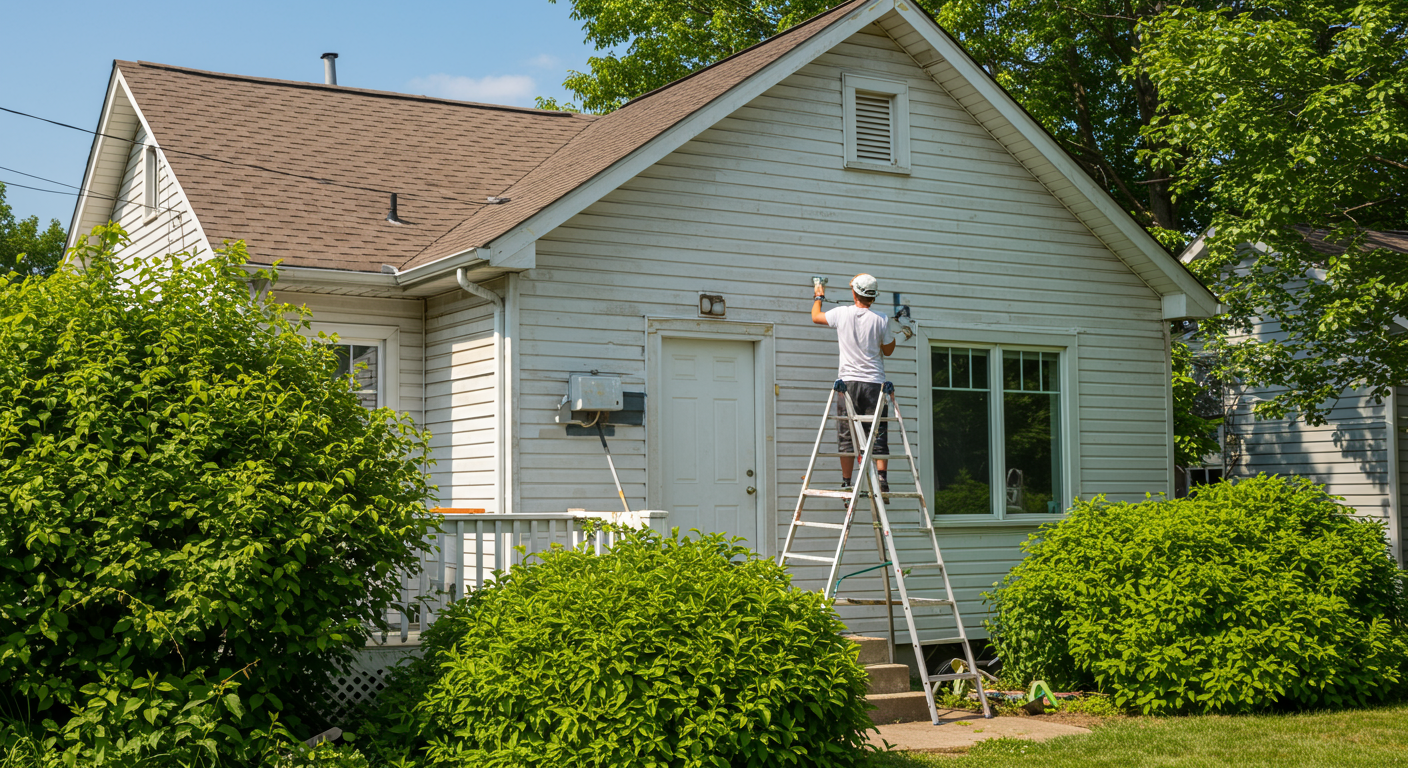
Painting the exterior of your home is a significant investment that not only enhances curb appeal but also protects your property from the elements. However, choosing the right season to undertake this task is crucial for achieving a flawless finish. In this guide, we’ll explore the best seasons for exterior painting, the ideal weather conditions, common pitfalls to avoid, and essential preparation tips to ensure your project is a success.
Understanding the Best Seasons for Exterior Painting
Why Summer is Ideal for Painting
Summer is often considered the best season for exterior painting due to its warm and stable weather conditions. The consistent temperatures allow paint to dry evenly, reducing the risk of peeling or cracking. Additionally, longer daylight hours provide ample time to complete your project without rushing. However, it’s essential to avoid painting during extreme heat, as this can cause the paint to dry too quickly, leading to an uneven finish.
The Benefits of Early Fall Painting
Early fall offers a sweet spot for exterior painting, combining mild temperatures with lower humidity levels. The cooler weather ensures that the paint adheres properly and dries at an optimal rate. Moreover, early fall often lacks the unpredictable rain showers of spring, making it a reliable choice for outdoor projects. This season also provides the opportunity to prepare your home for the harsher winter months, ensuring your exterior remains protected.
Key Weather Conditions for Successful Exterior Painting
Temperature Guidelines for Optimal Results
Temperature plays a critical role in the success of an exterior painting project. Most paints perform best within a temperature range of 50°F to 85°F. Painting in temperatures below this range can cause the paint to thicken, while higher temperatures may lead to premature drying. Always check the manufacturer’s recommendations for the specific paint you’re using to ensure optimal results.
Humidity and Its Impact on Paint Drying
Humidity levels can significantly affect the drying process of paint. High humidity slows down drying times, increasing the risk of smudges and uneven application. On the other hand, extremely low humidity can cause the paint to dry too quickly, leading to cracks. Aim for a humidity level between 40% and 70% for the best results. Monitoring the weather forecast and planning your project accordingly can help you avoid these issues.
Common Pitfalls to Avoid When Painting Exteriors
Weather Conditions to Steer Clear Of
Certain weather conditions can ruin your painting project if not avoided. Rain is the most obvious culprit, as it can wash away freshly applied paint. Windy conditions are equally problematic, as they can blow debris onto wet paint, ruining the finish. Additionally, painting during extreme heat or cold can compromise the durability of the paint. Always plan your project around a reliable weather forecast to minimize risks.
Timing Your Painting Job: Day vs. Night
The time of day you choose to paint can also impact the outcome. Painting in the early morning or late afternoon is ideal, as these times offer moderate temperatures and reduced direct sunlight. Avoid painting at night, as the cooler temperatures and dew can interfere with the drying process. Proper timing ensures a smooth and long-lasting finish.
Preparing for Your Exterior Painting Project
DIY vs. Hiring Professionals: What You Need to Know
Deciding between a DIY approach and hiring professionals depends on your budget, skill level, and the complexity of the project. While DIY painting can save money, it requires significant time and effort, as well as a thorough understanding of the process. Hiring professionals, on the other hand, ensures a high-quality finish and saves you the hassle of preparation and cleanup. If you’re located in New York, consider exploring top exterior home painters near you for reliable services.
Essential Preparation Steps for a Successful Paint Job
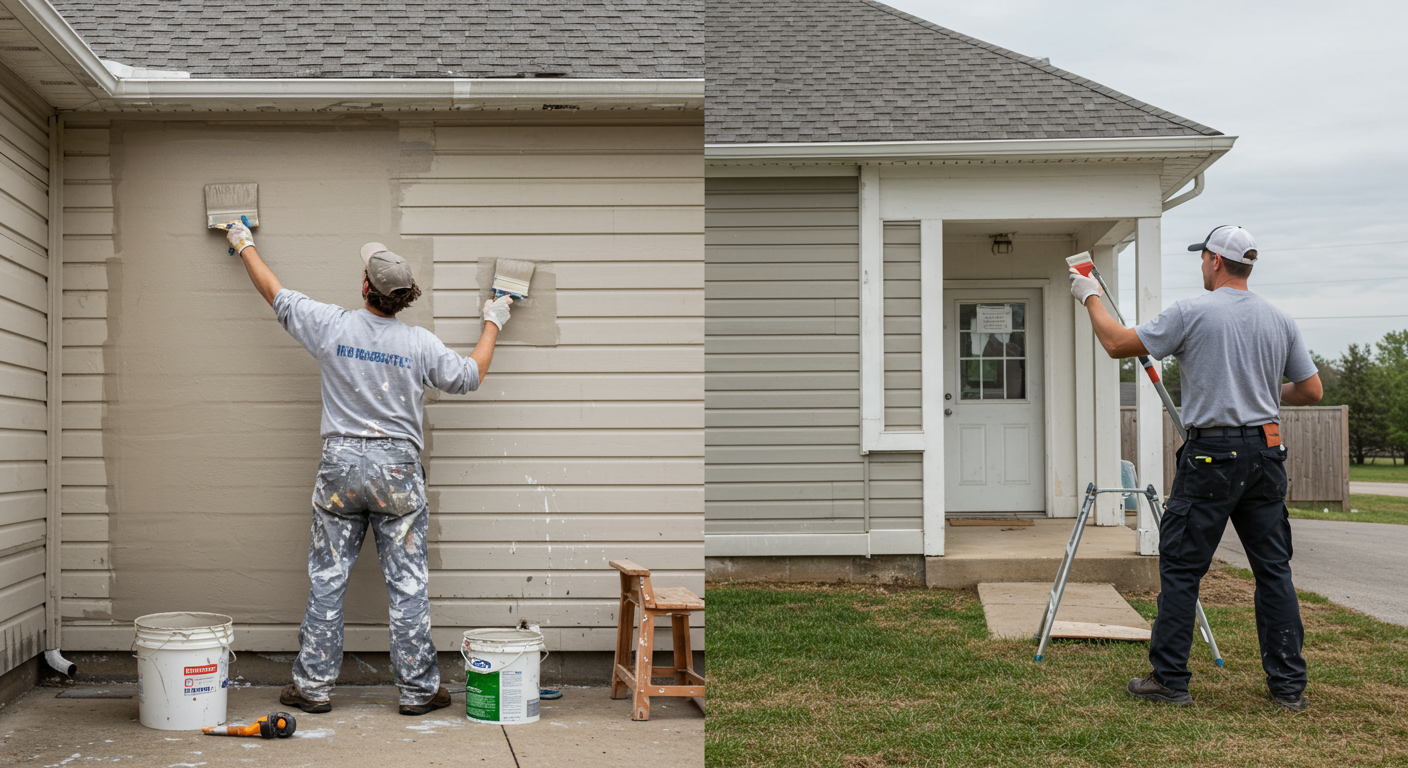
Preparation is key to a successful exterior painting project. Start by cleaning the surface to remove dirt, mildew, and old paint. Use a pressure washer for thorough cleaning, and allow the surface to dry completely. Next, repair any cracks or holes and sand rough areas to create a smooth base. Finally, apply a high-quality primer to ensure better adhesion and durability. Proper preparation not only enhances the finish but also extends the lifespan of the paint.
Painting your house exterior is a rewarding project that requires careful planning and execution. By choosing the right season, monitoring weather conditions, and preparing adequately, you can achieve a flawless finish that enhances your home’s beauty and value. Whether you opt for a DIY approach or hire professionals, following these tips will ensure your project is a success. For more insights and expert advice, check out our ultimate guide to choosing the best time to paint your house exterior.
Leave a Reply