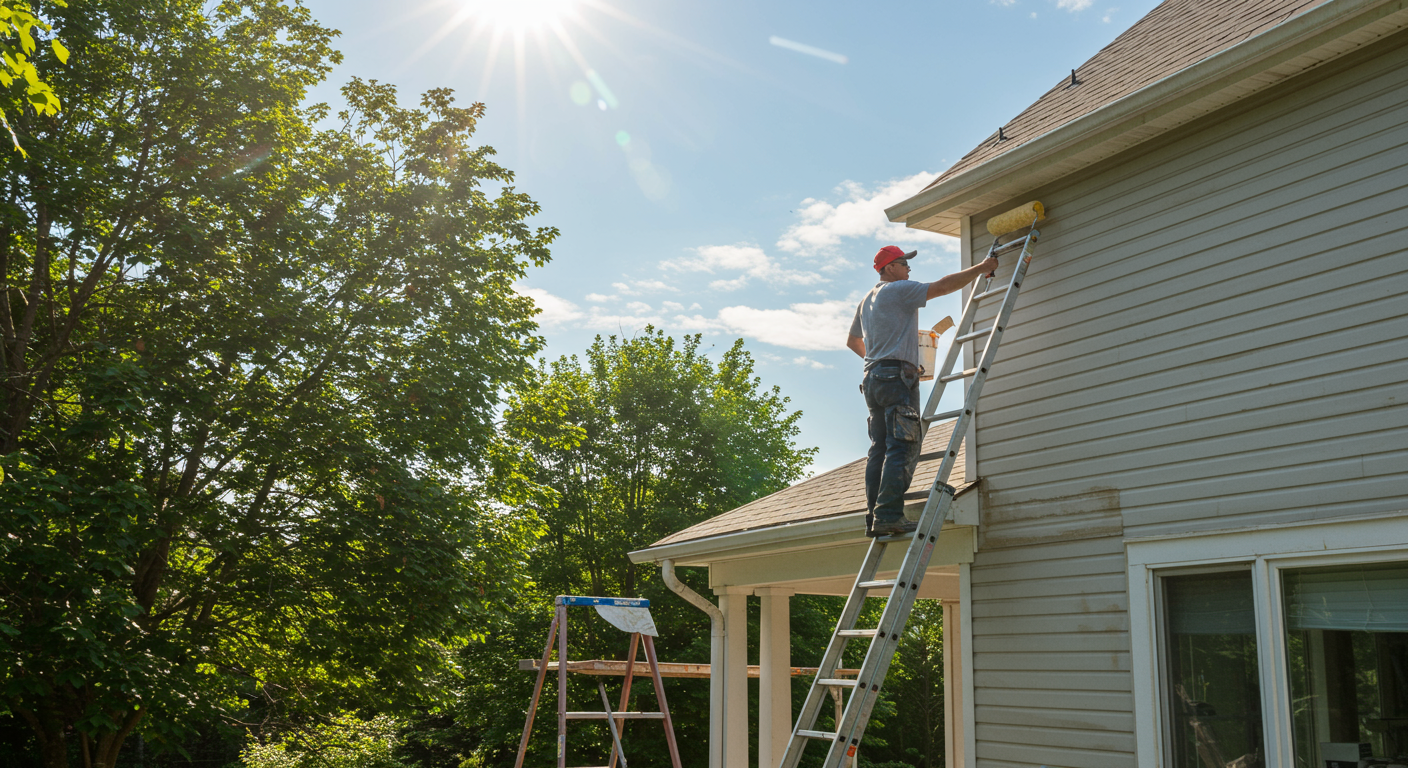
Painting the exterior of your house is a significant investment that enhances curb appeal and protects your home from the elements. However, timing is everything when it comes to achieving a flawless finish. This guide will help you determine the best time of year to paint your house exterior, ensuring long-lasting results and a professional look.
Understanding the Best Seasons for Exterior Painting
Importance of Weather Conditions
Weather plays a crucial role in exterior painting. Ideal conditions allow the paint to adhere properly and dry evenly, preventing issues like peeling, cracking, or bubbling. Dry, mild weather with minimal wind is optimal, as it ensures the paint cures effectively. Extreme weather, whether too hot or too cold, can compromise the quality of the finish.
Seasonal Variations Based on Climate
Different regions experience varying weather patterns, which can influence the best season for painting. For instance:
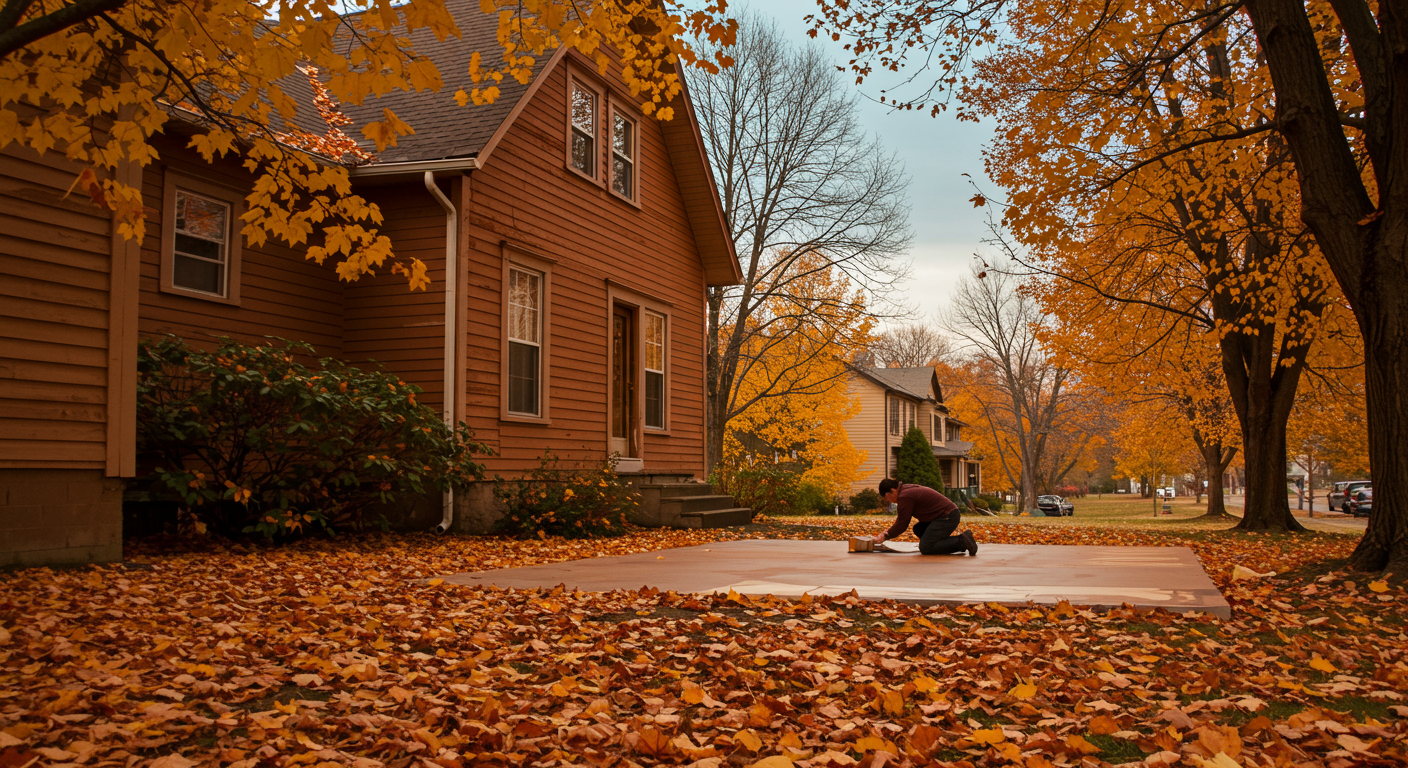
- Spring and Fall: These seasons are generally ideal due to moderate temperatures and lower humidity levels.
- Summer: While summer can be suitable, avoid painting during heatwaves or in direct sunlight, as excessive heat can cause the paint to dry too quickly.
- Winter: In colder climates, winter is typically unsuitable due to freezing temperatures, which hinder paint adhesion and drying.
Understanding your local climate is essential for planning your painting project at the right time.
Optimal Temperature Ranges for Different Paint Types
Ideal Temperatures for Latex vs. Oil-Based Paints
The type of paint you choose also determines the optimal temperature range:
- Latex Paints: These water-based paints perform best in temperatures between 50°F and 85°F. They are quick-drying and environmentally friendly, making them a popular choice for exterior projects.
- Oil-Based Paints: These paints require temperatures between 40°F and 90°F for proper application. They offer excellent durability but take longer to dry compared to latex paints.
How Temperature Affects Drying Times
Temperature fluctuations can significantly impact drying times. For example:
- High Temperatures: Paint may dry too quickly, leading to uneven application and visible brush strokes.
- Low Temperatures: Paint may take longer to dry, increasing the risk of dust, debris, or moisture affecting the finish.
Always check the manufacturer’s recommendations for the specific paint you’re using to ensure optimal results.
Weather Conditions to Avoid When Painting
Impact of Humidity and Rain on Paint Adhesion
Humidity and rain are two of the biggest enemies of exterior painting. High humidity levels can slow down the drying process and cause the paint to remain tacky for longer periods. Rain, on the other hand, can wash away freshly applied paint, leading to streaks and uneven coverage.
Recognizing the Signs of Poor Weather for Painting
Before starting your project, monitor the weather forecast for:
- Rain: Avoid painting if rain is expected within 24-48 hours.
- Wind: Strong winds can blow debris onto wet paint and make application difficult.
- Dew: Early morning dew can interfere with paint adhesion, so it’s best to start painting later in the day when surfaces are dry.
By avoiding these unfavorable conditions, you can ensure a smooth and durable finish.
Preparation Tips for a Successful Exterior Painting Project
Cleaning and Priming the Surface
Proper preparation is key to a successful painting project. Start by cleaning the exterior surfaces to remove dirt, mold, and peeling paint. Use a pressure washer or a scrub brush with soapy water for thorough cleaning. Once the surface is clean and dry, apply a high-quality primer to ensure better paint adhesion and a uniform finish.
When to Hire Professionals vs. DIY
Deciding whether to hire professionals or tackle the project yourself depends on several factors:
- DIY: If you have experience with painting and the necessary tools, a DIY approach can save money. However, it requires time and effort.
- Professionals: Hiring professional painters ensures high-quality results, especially for larger or more complex projects. Professionals also have the expertise to handle challenging weather conditions and tricky surfaces.
For more insights on finding reliable painters, check out Find the Best Painting Work Near You: Quality Services and Local Experts.
Conclusion
Choosing the best time to paint your house exterior is a critical step in achieving a flawless and long-lasting finish. By understanding the impact of weather conditions, selecting the right paint type, and preparing the surface properly, you can ensure your project is a success. Whether you decide to paint in the mild temperatures of spring or the crisp air of autumn, timing and preparation are key.
For additional tips on painting and home improvement, explore our Comprehensive Guide to Estimating Exterior House Painting Costs in New York, NY.
Leave a Reply