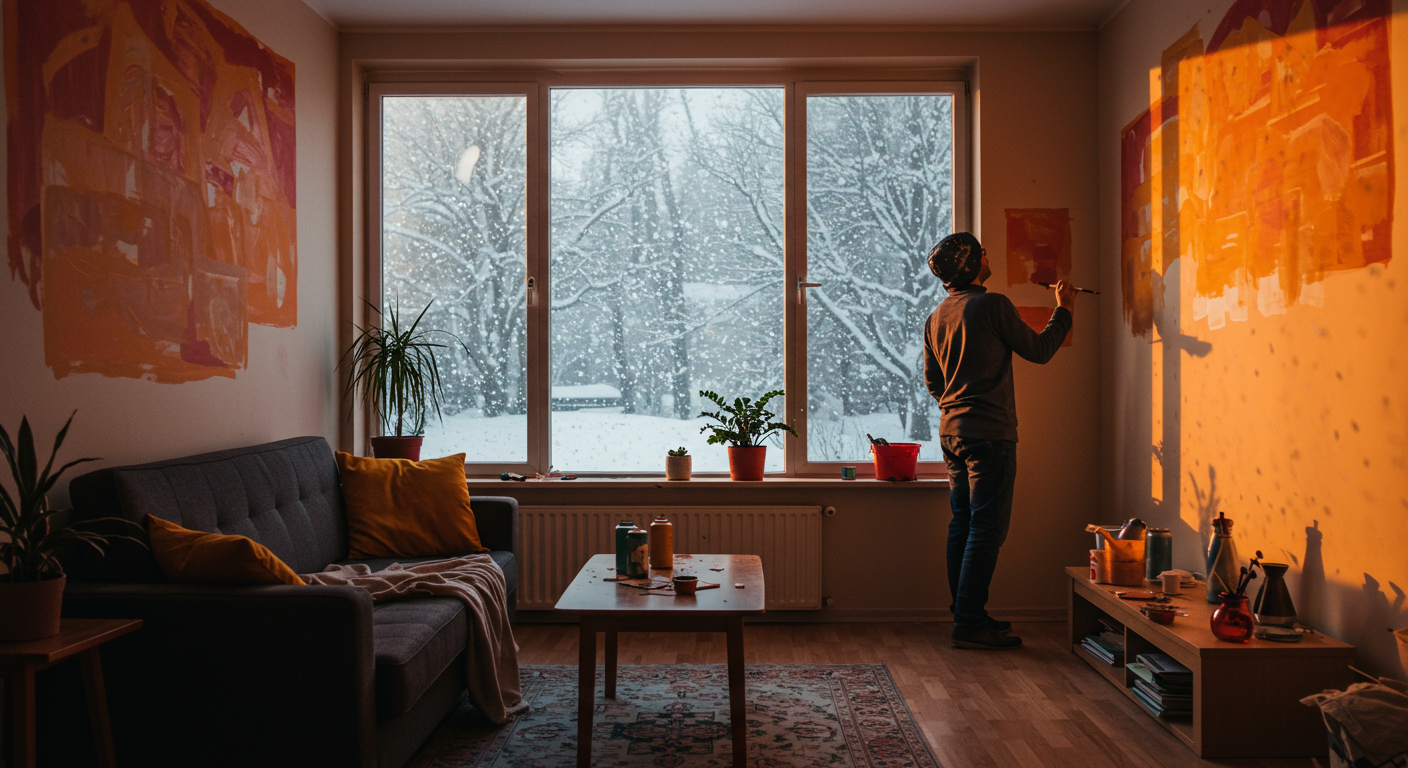
Painting the interior of your house is a transformative project that can breathe new life into your living space. However, timing plays a crucial role in achieving a flawless finish. Choosing the best season to paint your house interior not only ensures better results but also makes the process smoother and more cost-effective. In this article, we’ll explore the optimal seasons for indoor painting, key considerations, and practical tips to make your project a success.
Why Timing Matters: The Best Season to Paint Your House Interior
Timing is everything when it comes to interior painting. The season you choose can significantly impact the quality of the finish, drying time, and overall experience. Let’s delve into the benefits of painting during specific seasons.
Benefits of Painting in Winter
Winter is often overlooked for painting projects, but it’s actually one of the best times to paint your house interior. With lower humidity levels, the paint dries faster and adheres better to surfaces. Additionally, contractors are usually less busy during the winter months, which means you can book services more easily and potentially at a lower cost.
Another advantage of winter painting is the controlled indoor environment. With heating systems running, you can maintain a consistent temperature, which is ideal for paint application. Just ensure proper ventilation to avoid any buildup of fumes.
Advantages of Fall Painting Projects
Fall is another excellent season for interior painting. The moderate temperatures and low humidity create perfect conditions for paint to dry evenly. Unlike summer, when high humidity can cause paint to take longer to dry, fall offers a balanced climate that ensures a smooth finish.
Fall also aligns with the back-to-school season, making it a convenient time for families to tackle home improvement projects. By completing your painting project in the fall, you can enjoy a refreshed interior just in time for the holiday season.
Key Considerations for Interior Painting
Before you pick up a paintbrush, it’s essential to consider a few key factors that can influence the success of your painting project.
Choosing the Right Paint for Indoor Projects
Selecting the right type of paint is crucial for achieving a professional-looking finish. For interior projects, water-based paints like latex are a popular choice due to their quick drying time and low odor. They are also easier to clean and maintain compared to oil-based paints.
When choosing a paint, consider the room’s purpose and lighting. For example, matte finishes work well in low-traffic areas, while semi-gloss or satin finishes are ideal for kitchens and bathrooms due to their durability and moisture resistance.
Importance of Proper Preparation and Cleanup
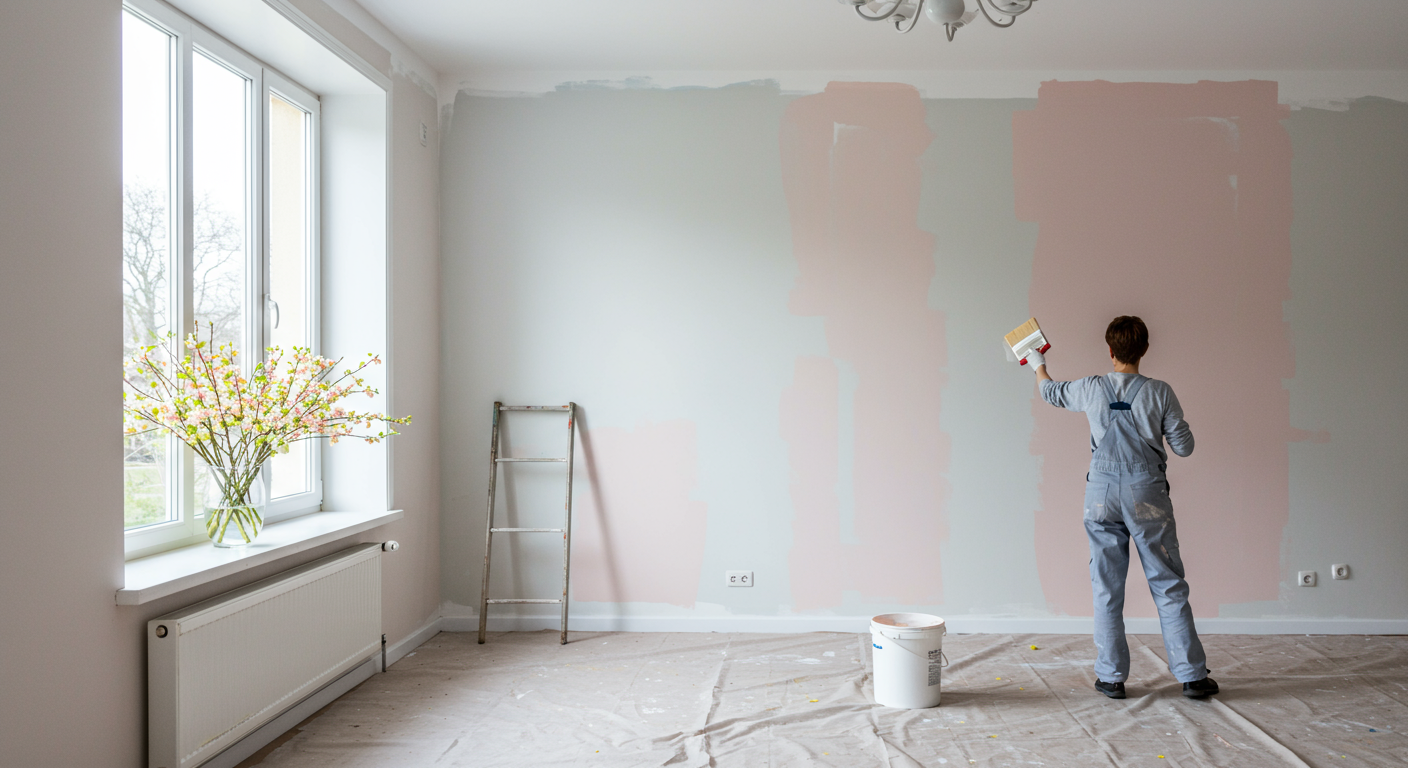
Preparation is the foundation of any successful painting project. Start by cleaning the walls to remove dust and grease, as these can affect paint adhesion. Use painter’s tape to protect trim and edges, and lay down drop cloths to catch any drips.
After painting, proper cleanup is equally important. Clean your brushes and rollers immediately to extend their lifespan. Dispose of paint cans responsibly, and store any leftover paint in a cool, dry place for future touch-ups.
Tips for a Successful Interior Painting Experience
A well-executed painting project can transform your home. Here are some tips to ensure a smooth and successful experience.
Best Practices for Painting Techniques
Using the right techniques can make a significant difference in the final result. Start by cutting in the edges with a brush before using a roller for larger areas. Apply the paint in thin, even coats to avoid drips and streaks. Allow each coat to dry completely before applying the next one.
Invest in high-quality brushes and rollers for a professional finish. Cheap tools may save money upfront but can lead to uneven application and wasted paint.
How to Save on Costs During Off-Season
One of the best ways to save on interior painting is to schedule your project during the off-season. As mentioned earlier, winter is a less busy time for contractors, which often translates to discounted rates. Additionally, many paint retailers offer sales and promotions during the colder months.
Another cost-saving tip is to calculate the exact amount of paint you’ll need to avoid over-purchasing. Most paint cans provide coverage estimates, so use these as a guide when planning your project.
Conclusion: Make the Most of Your Interior Painting Project
Painting your house interior is a rewarding project that can enhance your home’s aesthetic and value. By choosing the best season to paint, selecting the right materials, and following expert tips, you can achieve a flawless finish that lasts for years.
If you’re considering a professional touch, check out Top Residential & Commercial Painting Services in New York, NY for quality and reliability. Whether you’re tackling a small room or a full home makeover, timing and preparation are key to a successful outcome.
Recap the benefits of winter and fall painting, and don’t hesitate to seek professional help for a hassle-free experience. With the right approach, your interior painting project can be a seamless and satisfying endeavor.
Leave a Reply